AI4STEM Education Center
Harnessing AI to Revolutionize STEM Teaching, Learning, and Assessment
Photo by Alexander Supertramp
Research Foci
The AI4STEM Education Center conducts innovative research on how artificial intelligence (AI) can transform STEM education. Funded by the National Science Foundation, Institute of Education Sciences, National Institutes of Health, NAEd/Spencer Foundation, and the Alexander von Humboldt Foundation, we develop and study AI-driven solutions that support STEM teachers’ instructional decision-making and enhance student learning outcomes. By harnessing the potential of AI, we strive to create more effective, personalized, and impactful STEM learning experiences for all students.
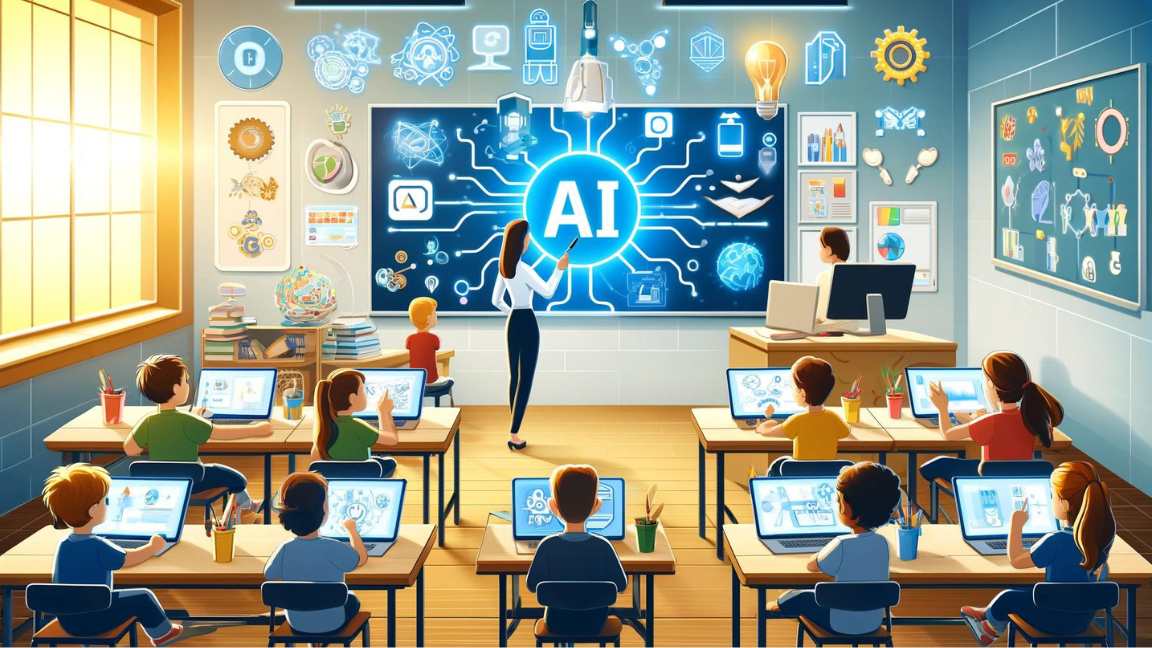
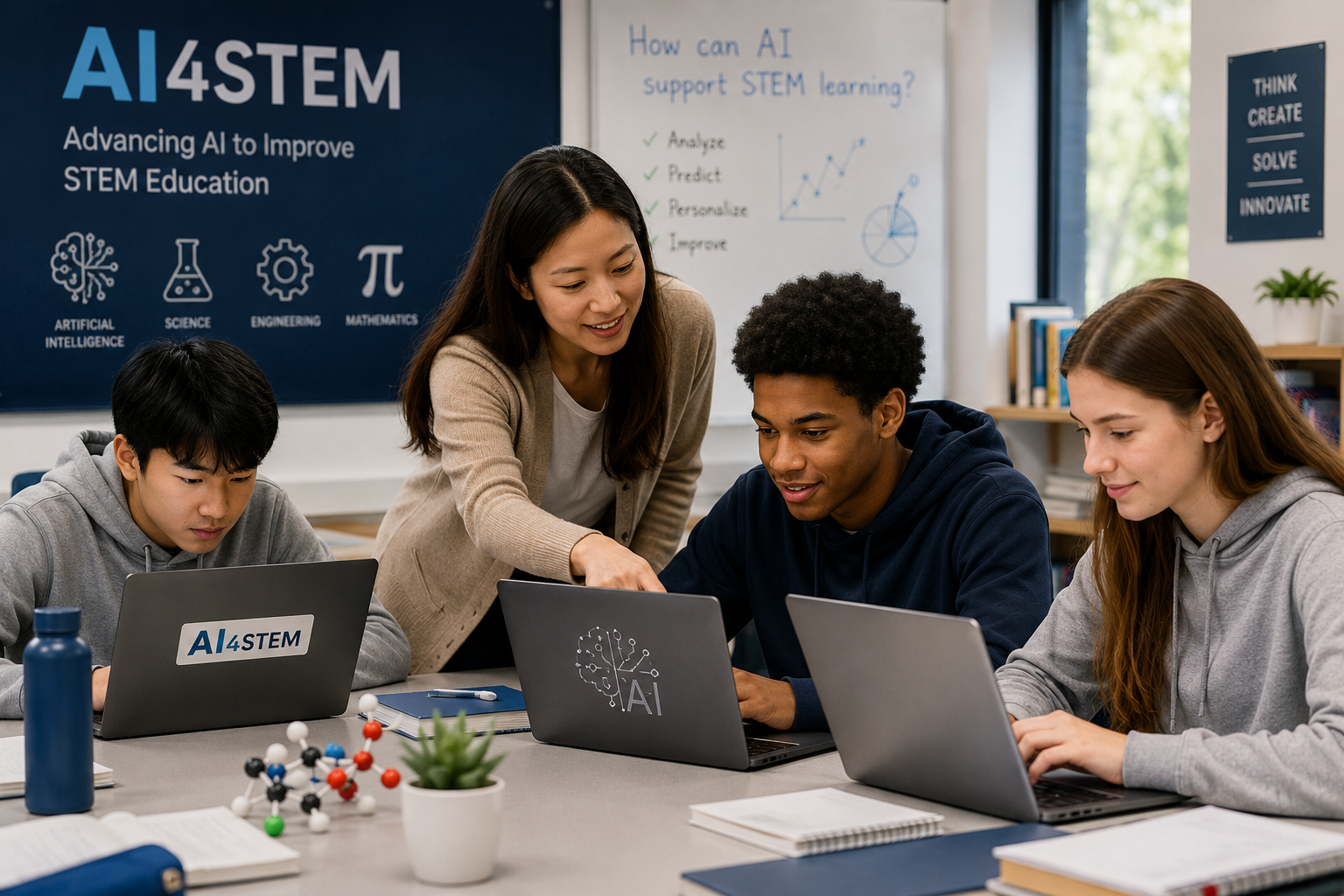
Photo by Atikah Akhtar on Unsplash
Projects

PASTA
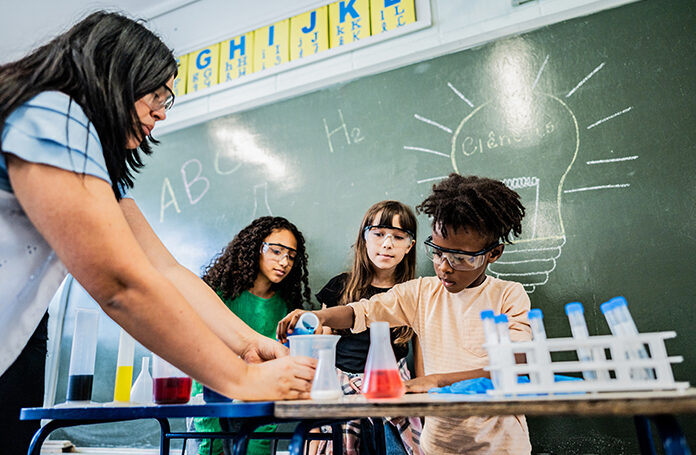
This project studies the utility of a machine learning-based assessment system for supporting middle school science teachers in making instructional decisions.
TALENT
This project studies a machine learning–based assessment system that helps undergraduate science instructors make informed instructional decisions.
Auto-SPIN
This project develops an AI-supported assessment tool to analyze how students reason during scientific argumentation in science classrooms.

GENIUS
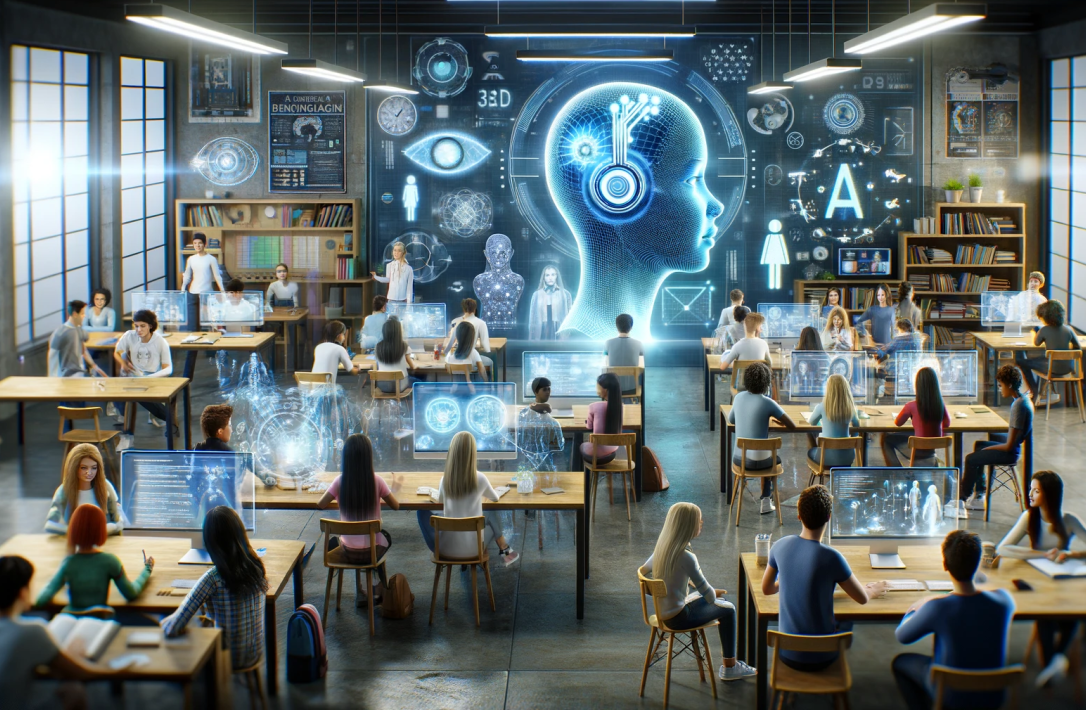
This project establishes a national center leveraging advanced GenAI and large language model (LLM) technologies to transform STEM and computer science education.
Latest News
On January 30, 2026, Dr. Xiaoming Zhai delivered a powerful keynote at the 9th IEEE Eurasian Conference on Educational Innovation, titled “At the Crossroad: AI in Science Assessment”. He urged the education community to move beyond the sidelines and proactively shape AI applications to ensure they align with core educational values. While acknowledging the promises of AI, Dr. Zhai also focused on navigating its potential pitfalls, particularly the need for rigorous investigation into algorithmic bias and fairness in assessment.
In his keynote remarks, Dr. Zhai showcased the National GENIUS Center’s focus on using generative AI and large language models to transform science education. The National GENIUS Center is an example of how AI can be a strategic partner in the classroom, with its development of multi-agent environments (such as EngageAgent and LabAgent) to support student engagement in science practices and provide professional resources to help educators leverage GenAI for assessment and classroom interactions.
The key takeaways from the presentation for educators and researchers included:
- Shift from “Whether” to “How”: The conversation has moved beyond whether to use AI; the focus is now on determining for what purposes it should be used and how to implement it effectively.
- AI as a Partner, Not a Replacement: Tools like ArguAgent, developed by the National GENIUS Center, can serve as a “partner in the classroom,” multiplying a teacher’s presence by managing structured argumentation at scale and nudging students toward evidence-based reasoning.
- The Multi-Agent Advantage: Moving toward multi-agent solutions can significantly reduce errors like “over-praise” or “over-inference” common in single-agent AI feedback systems.
- Addressing “Pseudo AI Bias”: Educators must distinguish between actual algorithmic bias and “pseudo-mechanical bias,” which often stems from disconnected interpretations of labels or unrealistic expectations of the technology.
- Proactive Research: To serve learners—not just systems—the education community must co-create solutions that prioritize human-centered design and intellectual merit.
The University of Georgia received a five-year, $10 million grant from the Institute of Education Sciences to establish a research and development center that will provide national leadership on best practices for using generative artificial intelligence (GenAI) in schools, strengthening competence in GenAI in middle school science classrooms.
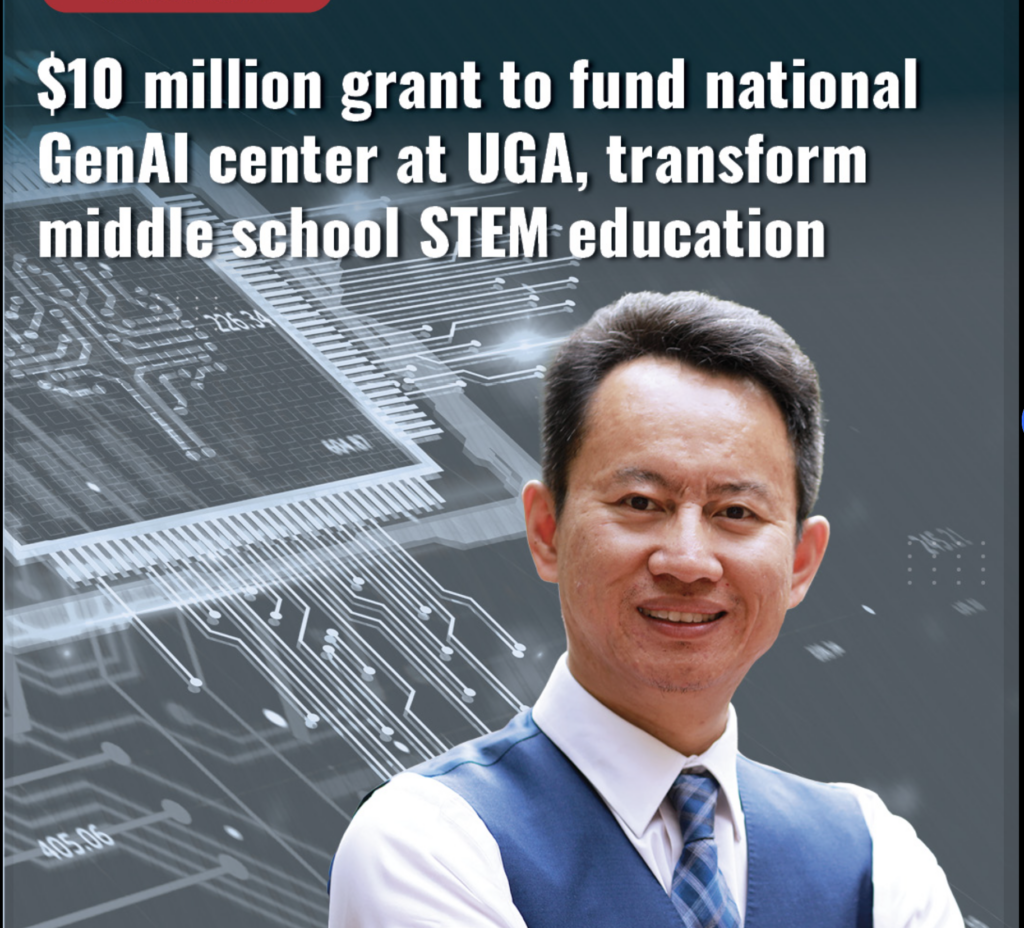
In collaboration with Vanderbilt University, Educational Testing Service, and Albany State University, the National Center on Generative AI for Uplifting STEM+C Education (GENIUS Center) will facilitate the teaching and learning of science through development of GenAI learning agents to both improve competence in STEM subjects and demonstrate how to use GenAI tools responsibly.
Led by Xiaoming Zhai, an associate professor in the UGA Mary Frances Early College of Education, the GENIUS Center research team will conduct studies at middle schools in both urban and rural settings across five states to evaluate the current uses of AI in classrooms, as well as determine what features to incorporate into a GenAI learning agent. Findings will inform the development of a tool, called GenAgent, and conclude with a pilot test of GenAgent in middle school science classrooms.
Along with Zhai, UGA faculty involved in the project include Yizhu Gao, Lehong Shi, and Ehsan Latif in the College of Education; Tianming Liu and Ninghao Liu in the School of Computing; and Xianqiao Wang in the College of Engineering.
Check out the full story https://coe.uga.edu/news/2024-10-10-million-grant-to-fund-national-genai-center-at-uga-transform-middle-school-stem-education/
Education Sciences is releasing a special edition issue on Generative AI in Education featuring our own Dr. Xiaoming Zhai
as a guest editor! Journal submissions are open now through June 2025
Applied Sciences is releasing a special edition issue on Generative AI in Education featuring Dr. Xiaoming Zhai
as a guest editor. Journal submissions are open now through June 30, 2025
See the full post and submit here https://www.mdpi.com/journal/applsci/special_issues/F2BNIF8V32
The AI4STEM Education Center at UGA Mary Francs Early College of Education is excited to announce that we’re looking for 2 Postdoctoral Research Associates to join our team! You’ll be working with Dr. Xiaoming Zhai and a dynamic team on NSF & NIH funded projects aimed at enhancing classroom assessment, addressing educational inequities, and improving data science education in K12 and higher ed.
If you have a Ph.D. in education, data science, or a computer science-related field and are passionate about transforming education through innovation, we encourage you to apply!
📌 Learn more and apply here: https://lnkd.in/etpm-Hgm
Partners